
Common-Area Load: The Simplest Place to Start With Rooftop Solar
Resident billing gets the attention, but common-area load is where most owners should start. It's simpler, faster, and requires no tenant onboarding at all.
Part of our guide to commercial solar.

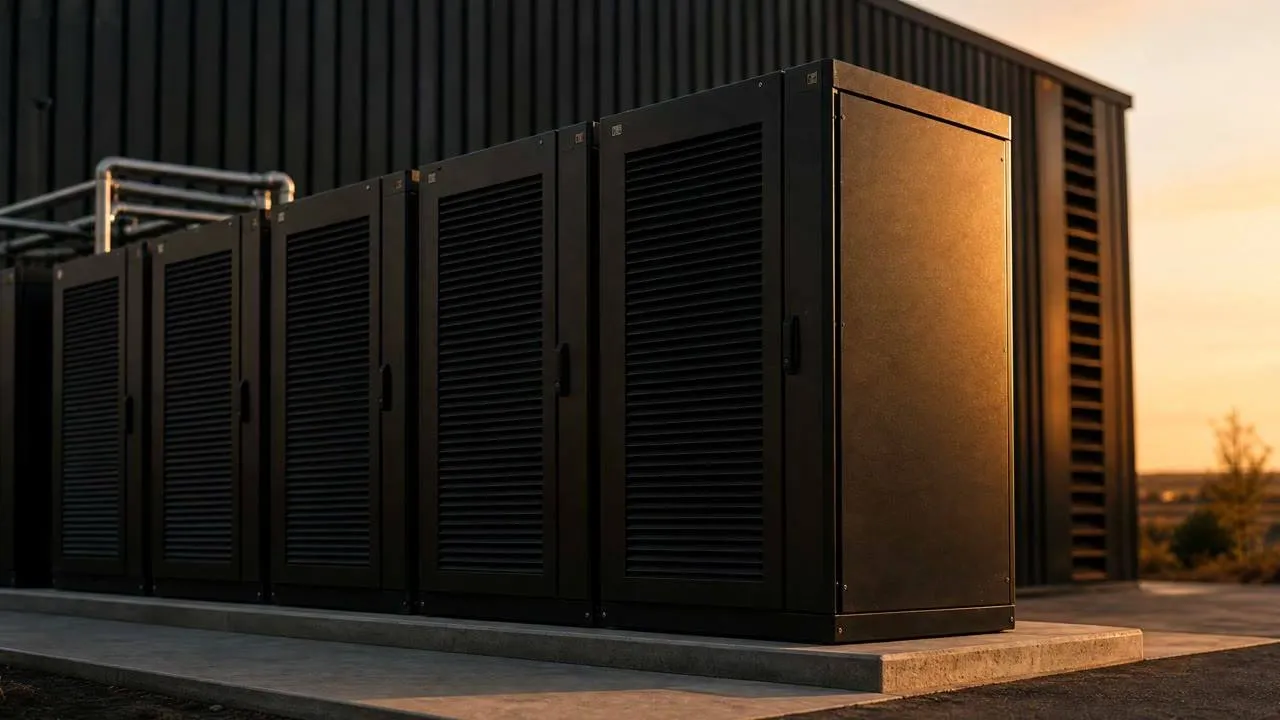
The overlooked line item
Every multifamily property and HOA pays a common-area electric bill: corridor lighting, elevators, pumps, laundry, gates, cameras, irrigation controllers, and increasingly EV chargers. On a larger property that bill is a significant, owner-paid operating expense.
Why it's the easiest starting point
- One meter, one account. No resident onboarding, no billing platform, no collections.
- Daytime load. Corridor lighting, pumps, and elevators run when the sun is up, so almost every kilowatt-hour is consumed on-site at full retail value rather than exported at a lower rate.
- No lease changes. You are reducing an operating expense you already control.
What it's worth
An array sized to common-area load can offset a large share of that bill; how much depends on the load shape, the roof and the state's export rules, so it is modeled per property. Whatever the saving is, expense reduction flows to NOI exactly like revenue does.
When to expand to resident billing
Once the common-area system is producing and metered, adding resident-facing capacity is an incremental step rather than a new project: same interconnection, same monitoring, same relationships. Most owners layer it in at month 6–12.
Practical first move
Pull twelve months of common-area statements and the roof plan. Those two documents are enough to size a first phase and put a number on it.
Want this checked on your own property? Get a free energy assessment or see how it works.
See whether this applies to your property.
We read your rate and usage and send back a written view of what is actually addressable — and whether solar, storage or neither is worth pursuing.
A written initial review within 2 business days.
We review energy costs on commercial properties, arrange capital for qualifying projects, and coordinate installation and ongoing operation.
Meet the teamThe tools behind every NOI project
How demand charges work, where battery economics come from, and what determines whether a commercial site qualifies.
Learn moreThe five delivery stages, what each one produces, and a plain-language table of who is responsible for what.
Learn more