
Should You Add Battery Storage to a Multifamily Solar Project?
Batteries look great on a pitch deck. Whether they belong on your building depends on three specific things.

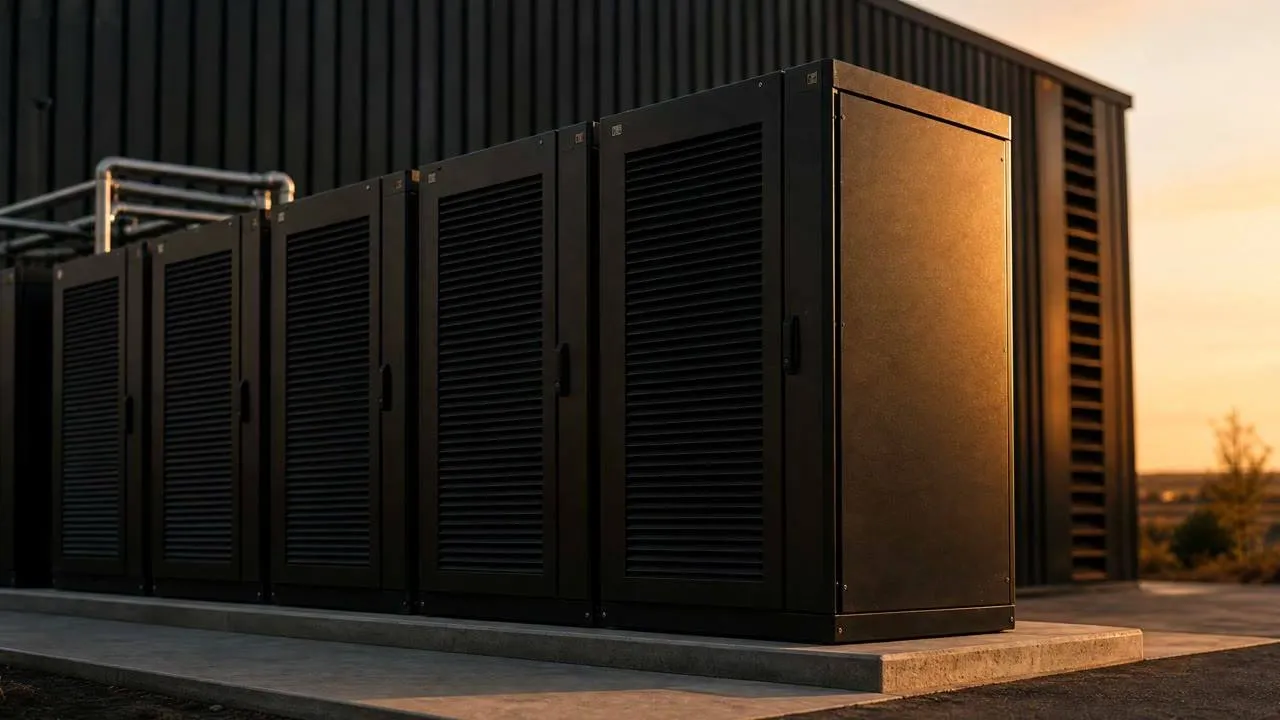
The three questions
- Does your utility have time-of-use rates with a wide peak-to-off-peak spread? If peak rates are 2.5×+ off-peak, storage arbitrage works. If your utility is flat-rate, storage is decorative.
- Do you have a demand charge? Rare on residential; common on mixed-use. If yes, storage pays back fast through demand shaving.
- Is resilience part of the value proposition? In hurricane and wildfire markets, backup power is a real leasing feature. Whether it supports a rent premium depends on the local market.
Cost delta
Adding storage roughly doubles the per-unit installed cost vs. solar alone. A federal credit can apply to qualifying storage, on its own rules and its own timeline, and bonuses may apply in some census tracts. Rate and eligibility are project-specific.
When it works
- California multifamily with NEM 3.0 (storage recovers most of the export-rate loss).
- Texas properties in ERCOT with wholesale-indexed billing.
- Any hurricane-zone Class A property using resilience as an amenity.
When it doesn't
- Flat-rate utility markets with no demand charges.
- Properties under 20 units — the fixed cost of a battery cabinet doesn't amortize.
Default recommendation: start with solar-only, wire in a storage-ready inverter, add batteries in year 3 if TOU spreads widen.
Want this checked on your own property? Get a free energy assessment or see how it works.
Get a commercial battery storage assessment
We size storage against your own billed peak and rate, and tell you in writing whether the case holds.
A written initial review within 2 business days.
We review energy costs on commercial properties, arrange capital for qualifying projects, and coordinate installation and ongoing operation.
Meet the teamThe tools behind every NOI project
How demand charges work, where battery economics come from, and what determines whether a commercial site qualifies.
Learn moreThe five delivery stages, what each one produces, and a plain-language table of who is responsible for what.
Learn more