
The Commercial ITC in 2026: Section 48E for Solar and Storage, Explained
The investment tax credit is still the largest single incentive in most commercial solar and storage projects. The rules changed in 2025, and solar and storage now run on different clocks.
Source: IRS — Clean Electricity Investment Credit, current as of January 5, 2026

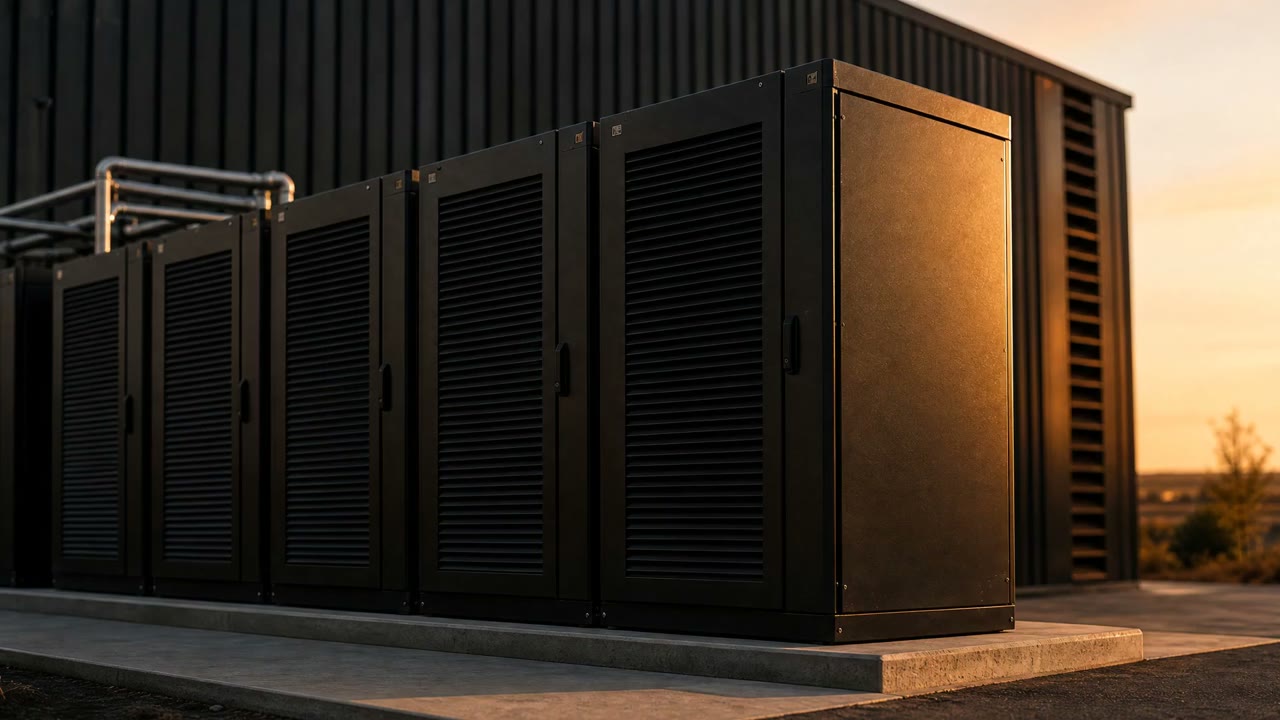
Which credit applies
For qualifying facilities and energy storage placed in service after December 31, 2024, the main federal credit is the clean electricity investment credit under Section 48E. The older Section 48 energy credit remains relevant mainly to projects that began construction before 2025. Section 48E is "technology-neutral": it is defined by emissions rather than by a named technology, and it covers qualifying solar facilities and energy storage technology.
How the rate is built
The IRS describes the credit as a percentage of the qualified investment:
- Base rate: 6%.
- Increased rate: up to 30% when the project meets the prevailing wage and registered apprenticeship requirements. Projects with a maximum net output below one megawatt (AC) can generally qualify for the increased rate without them; confirm this with your adviser for your project.
- Domestic content bonus: up to 10 percentage points where steel, iron and manufactured products meet the domestic content rules.
- Energy community bonus: up to 10 percentage points where the project is located in a qualifying energy community.
A separate low-income communities bonus is allocated through an IRS program with its own rules and capacity.
Source: IRS, Clean Electricity Investment Credit, page dated January 5, 2026.
Solar and storage now run on different clocks
Solar and storage have different federal credit deadlines. Qualifying solar that begins construction after July 4, 2026 generally must be placed in service by December 31, 2027. Storage follows separate rules. Projects that began construction earlier must meet the continuity requirements. Eligible equipment and sourcing requirements also apply, so credit value depends on the project, its ownership, its construction dates and the eligibility requirements it meets. The solar deadline comes from the 2025 budget law (Public Law 119-21); the IRS guidance on when construction begins is IRS Notice 2025-42.
In practice, a solar project's credit now depends on a dated construction start or an in-service date, and a storage project on its own schedule. A solar-plus-storage scope should be planned as two timelines, not one. See what the storage credit clock means for a portfolio.
Sourcing rules
Recent law added restrictions on components and financing tied to "prohibited foreign entities". These rules affect equipment selection and supplier documentation, so they belong in procurement, not just in the tax file. Ask every supplier for the documentation your adviser needs.
Who can use the credit
- Taxable owners claim it against their own federal tax.
- Owners without enough tax liability can transfer (sell) the credit to an unrelated buyer for cash.
- Tax-exempt and public owners may be able to use elective pay.
- Third-party owners claim it themselves and reflect it in a lease or PPA price.
What this means for underwriting
Model the project at the rate it will actually qualify for, not the best case. Prevailing wage records, domestic content documentation and energy community maps all need evidence, and that evidence has to be collected during construction, not reconstructed afterwards.
This is general guidance reviewed on October 5, 2026, not tax or legal advice. Credit rules change; confirm your project's position with your tax adviser before relying on it.
See how we model the economics, or start with a site.
Want this checked on your own property? Get a free energy assessment or see how it works.
Have your storage case checked.
We size storage against your own billed peak and rate, and tell you in writing whether the case holds.
A written initial review within 2 business days.
We review energy costs on commercial properties, arrange capital for qualifying projects, and coordinate installation and ongoing operation.
Meet the teamThe tools behind every NOI project
How demand charges work, where battery economics come from, and what determines whether a commercial site qualifies.
Learn moreThe five delivery stages, what each one produces, and a plain-language table of who is responsible for what.
Learn more