
Four buildings. Four different NOI answers.
See exactly how we read a tariff, size a system and model the money: a warehouse, a build-to-rent community, a retail plaza and a multifamily portfolio. One gets solar and storage, one solar only, one storage only, and one is underwritten as a portfolio.
Every figure is modeled from published tariff structures and typical site facts, and labeled as modeled. Owner-approved case studies will join this page as each owner signs off in writing.
- A written initial review within 2 business days.
- Free, including when the answer is no.
- Named people on your project, with direct contact.
Pick the building that looks most like yours.
Photography is representative of the site type, not a customer property.
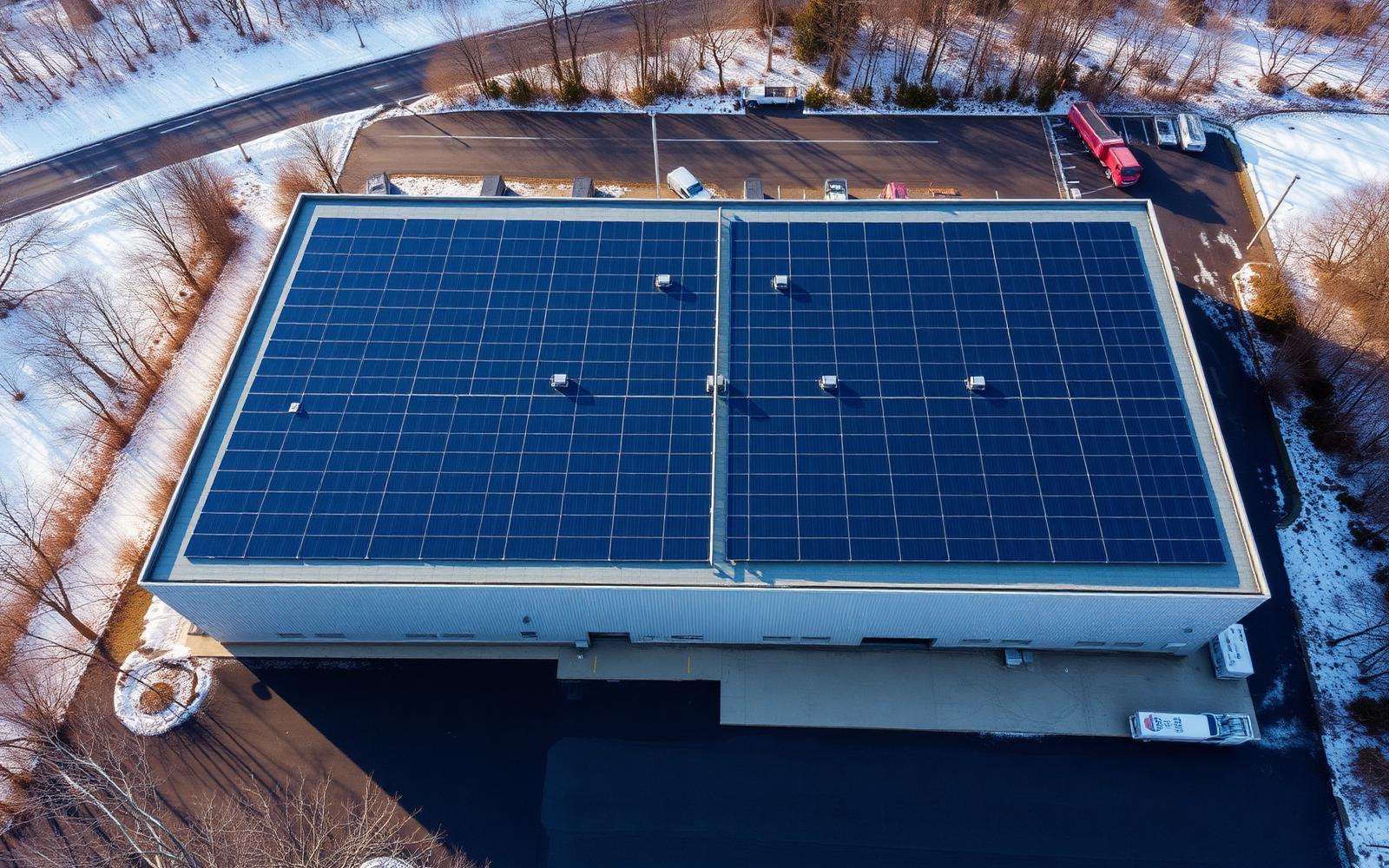 Illustrative example
Modeled annual benefit: $142,500 (modeled, not a customer result)
- Client type
- Industrial / warehouse, single meter
- Location
- Bloomfield, CT
- Problem
- A single-meter warehouse whose bill carries a real demand charge, with steady daytime load and a large, uninterrupted roof.
- Installed scope
- 620 kW-DC rooftop solar + 250 kW / 500 kWh storage
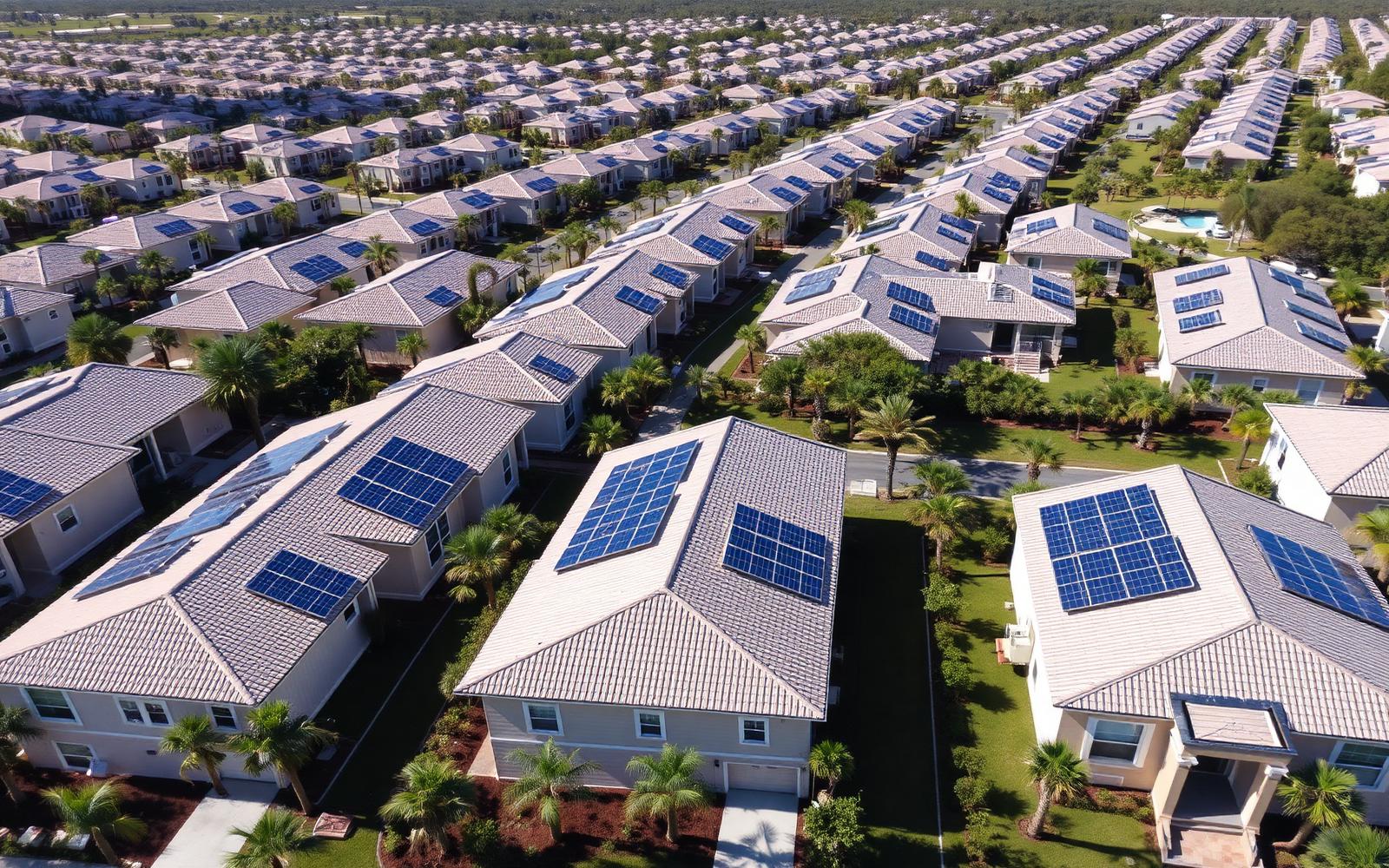 Illustrative example
Modeled annual benefit: $147,200 (modeled, not a customer result)
- Client type
- Build-to-rent community, 148 homes plus amenity meter
- Location
- Ocala, FL
- Problem
- A rental community whose addressable load is the amenity and common-area meter, on a rate with no demand charge.
- Installed scope
- 1.1 MW-DC distributed rooftop solar, no storage
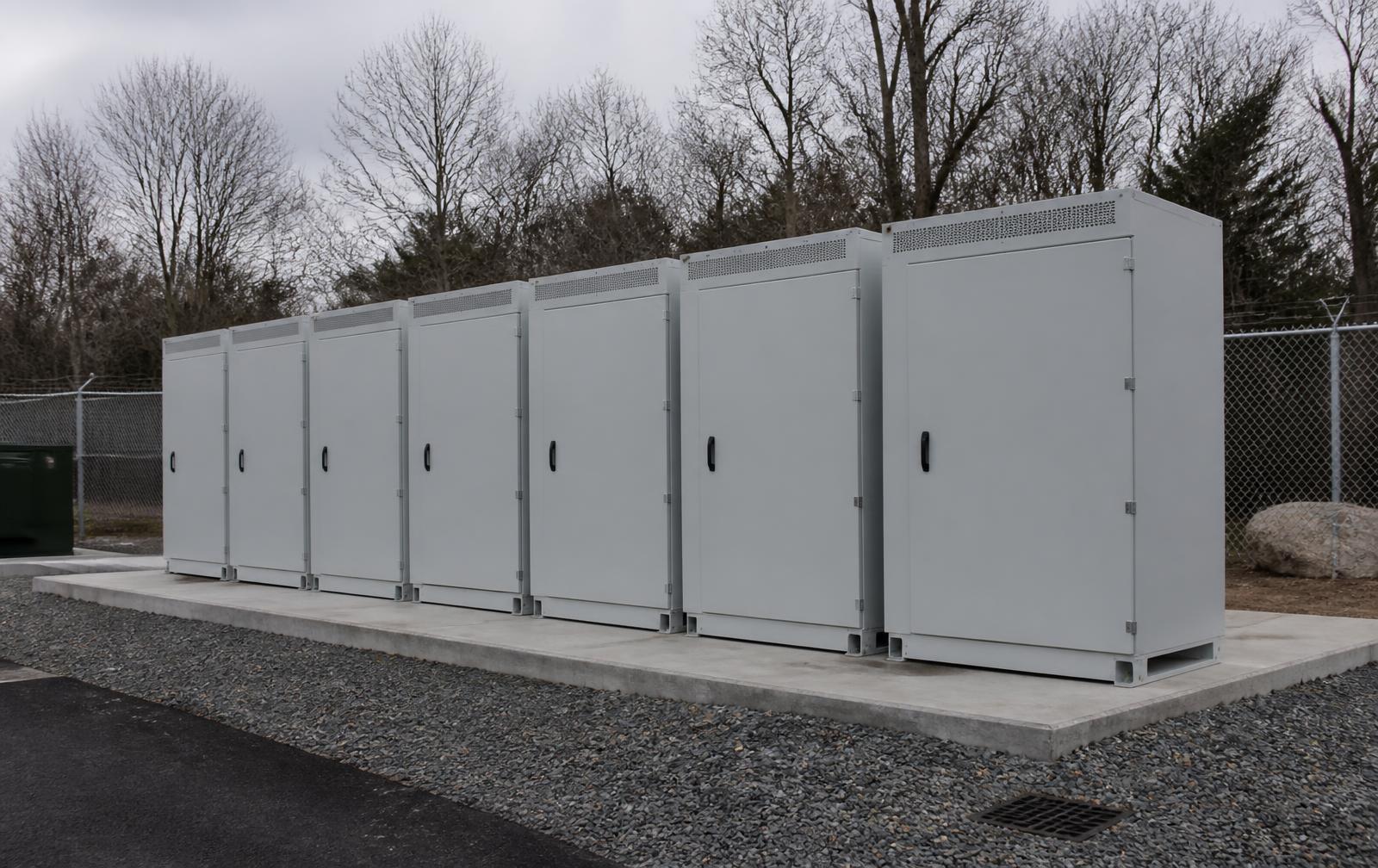 Illustrative example
Modeled annual benefit: $45,000 (modeled, not a customer result)
- Client type
- Neighborhood retail plaza, grocery anchor
- Location
- Cranston, RI
- Problem
- An anchor tenant's compressors set a sharp, repeatable afternoon peak, and the roof is too new and too full of equipment for solar.
- Installed scope
- 300 kW / 600 kWh storage, no solar
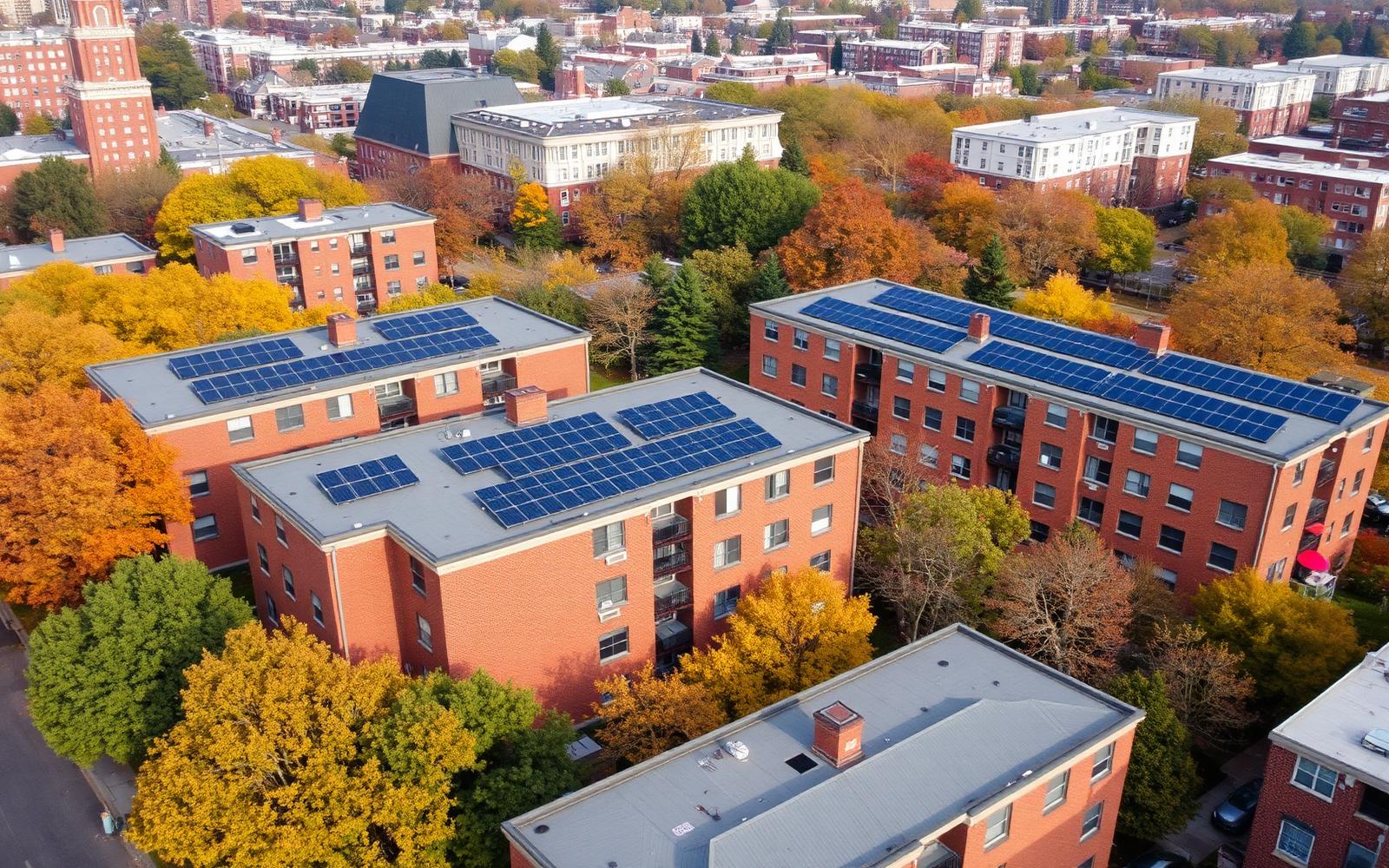 Illustrative example
Modeled annual benefit: $83,200 (modeled, not a customer result)
- Client type
- Six-building multifamily portfolio, common-area meters
- Location
- Worcester, MA
- Problem
- Six buildings whose demand charges sit on the common-area and central-plant meters, with tenant meters outside scope.
- Installed scope
- 480 kW-DC rooftop solar across six buildings; storage scope pending interval data
Modeled figures, rounded. Not operating results, not customer data, not a quote.
The same four steps we run on your building.
- 01
The tariff read
Which rate schedule the meter is on, what the demand and time-of-use determinants are, and whether the bill has anything worth attacking.
- 02
The site constraints
Roof, structure, interconnection, metering and the things that rule options out before anyone draws a panel.
- 03
The money, line by line
Bill savings and program payments modeled as separate lines with separate risk, with the basis stated under each figure.
- 04
Risks and timeline
What can delay or disqualify the project, and the stages from written review to commissioning.
Want these numbers for your own property?
Send the address. A utility bill is optional but makes the read sharper. You get a written read of your tariff and a go or no-go on deeper analysis within 2 business days, free, including when the answer is no.
The case has to hold before anything is built.
Tariff before technology
We start from the rate schedule and the demand determinants on the bill. If the tariff has no meaningful demand component and no time differential, storage economics are weak and we say so before designing anything.
Measured load, not averages
System sizing uses the site's own consumption and peak behaviour: interval data where the utility supplies it, billed determinants where it does not. We do not size from national benchmarks.
Savings and program payments kept apart
Bill savings and program payments are two different lines with different risk. Program participation depends on eligibility and current rules, which we date and cite.
Stated assumptions, stated sensitivities
Every operating case names its assumptions, from escalation and dispatch performance to degradation and utility approval timing, and shows what happens when they move.
Modeled is labeled modeled
Nothing here is described as actual, verified or paid performance. Measured results are reported only after a system is operating, with a measurement period attached.
Every future reference carries one of four labels.
So you can see exactly what each example proves, and who did the work.
NOI was directly contracted into the project. The card states NOI's exact role alongside the delivery partner's and the technology provider's.
NOI and named partner organizations delivered the project jointly. Each responsibility is named. We never write "NOI installed" unless NOI was the installer of record.
A current NOI delivery partner completed the project independently. It shows experience available through the network and is never rolled into an NOI total.
A manufacturer's published customer case, attributed to the manufacturer and linked to its original source.
What we need before a case study is published
- Written permission to use the organization's name and logo on this site
- Written permission or partner attestation for the project and customer reference
- Confirmation of photo ownership and web-marketing usage rights
- The exact roles: developer, EPC, installer of record, engineer, financier, equipment supplier, operator, program aggregator
- Project location at the approved level of specificity
- System type, capacity, commissioning status and commissioning date
- The source and measurement period for any savings, production, uptime, dispatch, revenue or emissions result
- Written approval for any testimonial and named spokesperson
- Confirmation of whether NOI participated in the project or is presenting it as partner experience
Until a packet is complete we show only a partner’s verified capability profile and a link to its own website, on the partners page.
Put one property through the same test.
Start with your property details. A utility bill is optional. A written initial review within 2 business days.