


Where we work

Property NOI, read one utility territory at a time.

We work in New England, Florida and California, with offices in Fairfield, Boca Raton and Marina Del Rey. Programs are set by the state, but the bill is set by the utility serving your street. Pick your state or town to see which utility applies, what the program status is, and what we check before anything is priced.

In every live market we serve the same four groups: multifamily & communities, municipal & district facilities, faith, school & non-profit, and demand-heavy commercial.

What changes from state to state

Same review, different utility, programs and export rules.

The building review is the same everywhere. What it is checked against is not: the utility tariff, how exported solar is credited, and which state programs are open. This is what we check in each market before anything is priced.

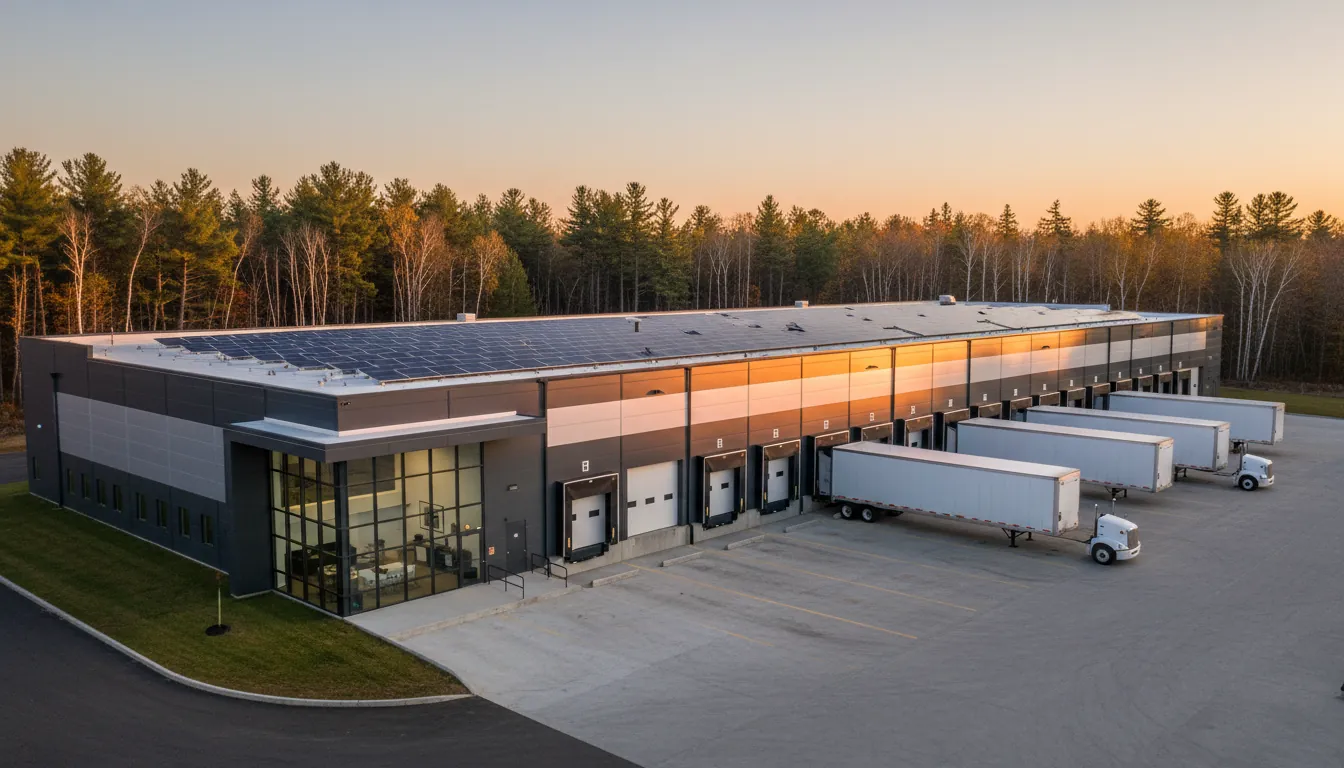
Massachusetts

Eversource, National Grid and Unitil are the regulated electric companies in Massachusetts.

Exports: Net metering runs under 220 CMR 18.00 (effective December 20, 2024). Class I is up to 60 kW, Class II up to 1 MW and Class III up to 2 MW for private facilities.

Programs we check

New Hampshire

These notes use Eversource (Public Service Company of New Hampshire) tariffs; other New Hampshire utilities set their own rates.

Exports: On Eversource, net metering is open to systems up to 1,000 kW. Systems of 100 kW or less earn export credits at default service plus transmission plus 25% of distribution.

Programs we check

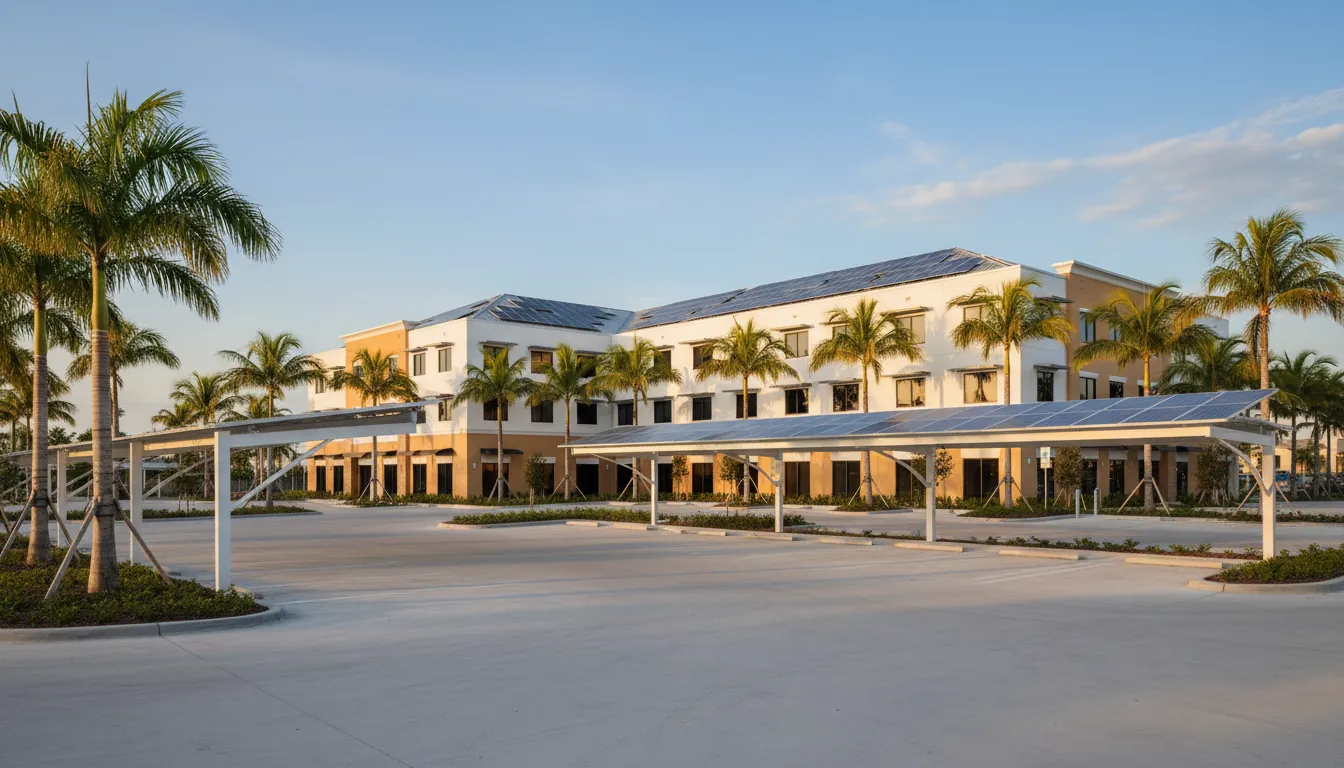
Florida

These notes use Florida Power & Light's tariff; all of Florida's investor-owned utilities follow the same state net metering rule.

Exports: Net metering runs under Florida Administrative Code Rule 25-6.065 for systems up to 2 MW, limited to 90% of the customer's distribution service rating.

Programs we check

Office: 1200 N Federal Hwy, Suite 300, Boca Raton, FL · (561) 800-0550

Modeled example: BTR community — distributed rooftop solar, Ocala

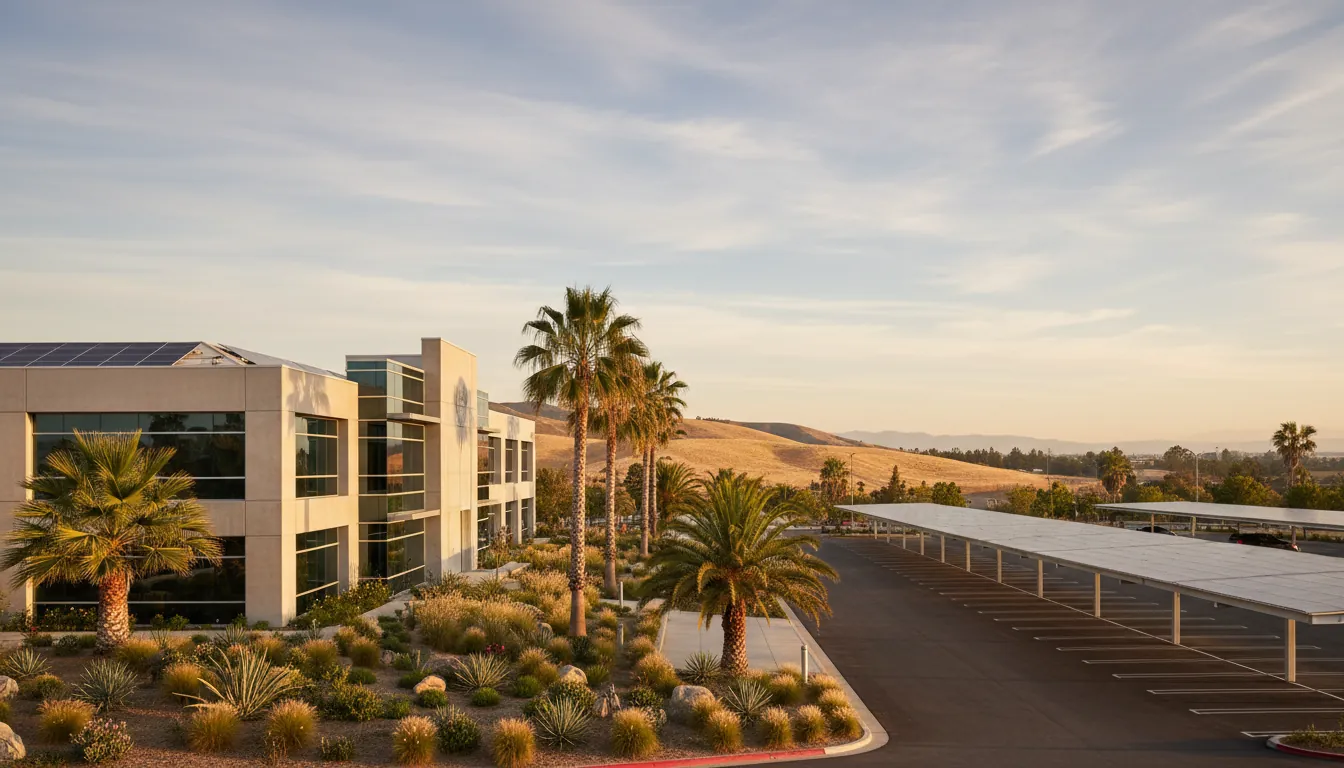
California

PG&E, Southern California Edison and San Diego Gas & Electric are California's large investor-owned utilities.

Exports: Systems applying to interconnect on or after April 15, 2023 take the Net Billing Tariff (CPUC D.22-12-056). Exports earn energy export credits at a value-to-grid rate that is usually below retail, with monthly billing and an annual true-up.

Programs we check

Office: 4210 Del Rey Ave, Marina Del Rey, CA · (818) 424-3820

Towns in Connecticut

Connecticut program guide →

Hartford, CT

Eversource territory

Hartford runs a dense mix of downtown offices, institutional campuses and older multifamily stock — the load shapes where demand charges, not consumption, drive the bill.

New Haven, CT

United Illuminating territory

New Haven sits in United Illuminating territory, where commercial rates and a mixed base of institutional, non-profit and multifamily buildings make the battery case worth modeling meter by meter.

Bridgeport, CT

United Illuminating territory

Bridgeport pairs Connecticut's largest concentration of affordable and community housing with industrial and distribution sites — two very different load profiles, both exposed to demand charges.

Stamford, CT

Eversource territory

Stamford's office towers, mixed-use podium buildings and corporate campuses carry the peaky, high-kW load profiles that battery dispatch is designed for.

Waterbury, CT

Eversource territory

Waterbury's manufacturing legacy left behind exactly the kind of demand-heavy commercial and industrial meters where a battery earns on both bill savings and program performance.

Meriden, CT

Eversource territory

Meriden's mid-size commercial buildings, community housing and municipal facilities are well matched to the 20–500 kW battery range the Connecticut program is built around.

New Britain, CT

Eversource territory

New Britain combines institutional and municipal buildings with a deep base of older multifamily property — sites where metering and roof condition decide the sequence of work.

Fairfield, CT

United Illuminating territory

Fairfield is home to our Connecticut office at 249 Castle Ave, and to the mix of retail, professional, school and faith buildings where a modest battery still moves the bill.

Don’t see your town? Send the bill anyway.

The energy review is the same work wherever the meter is. We tell you plainly whether the local facts support the property-level operating case.

Analyze a utility bill →