
Three energy levers. One property-level NOI strategy.
NOI evaluates how energy may affect each property through controllable operating expense, eligible income and operating continuity. Technology is selected only after the tariff, load, site and ownership plan support the case. We build for the buildings that spike: multifamily and community properties, municipal and district facilities, faith, school and non-profit sites, and demand-heavy commercial. See how the process works end to end.
Battery & storage
Dispatchable capacity behind the meter, sized to the measured load and the tariff that prices it.
- Peak-demand management
Peak-demand management
The problem
Demand charges on a commercial or industrial utility bill are driven by short peaks in usage — often a handful of hours a month — but they can represent a large share of the total bill. Facilities and finance teams frequently have limited visibility into what is driving those charges or how to reduce them without disrupting operations.
How NOI addresses it
For qualifying sites, NOI arranges capital and coordinates a licensed delivery partner to install a behind-the-meter battery energy asset sized to your site's load profile. The asset is dispatched to reduce peak draw from the grid during the intervals that drive demand charges, and can also shift usage to lower-cost periods where your tariff supports it. NOI owns dispatch strategy, monitoring, and maintenance coordination for the life of the agreement.
See how battery storage is engineered →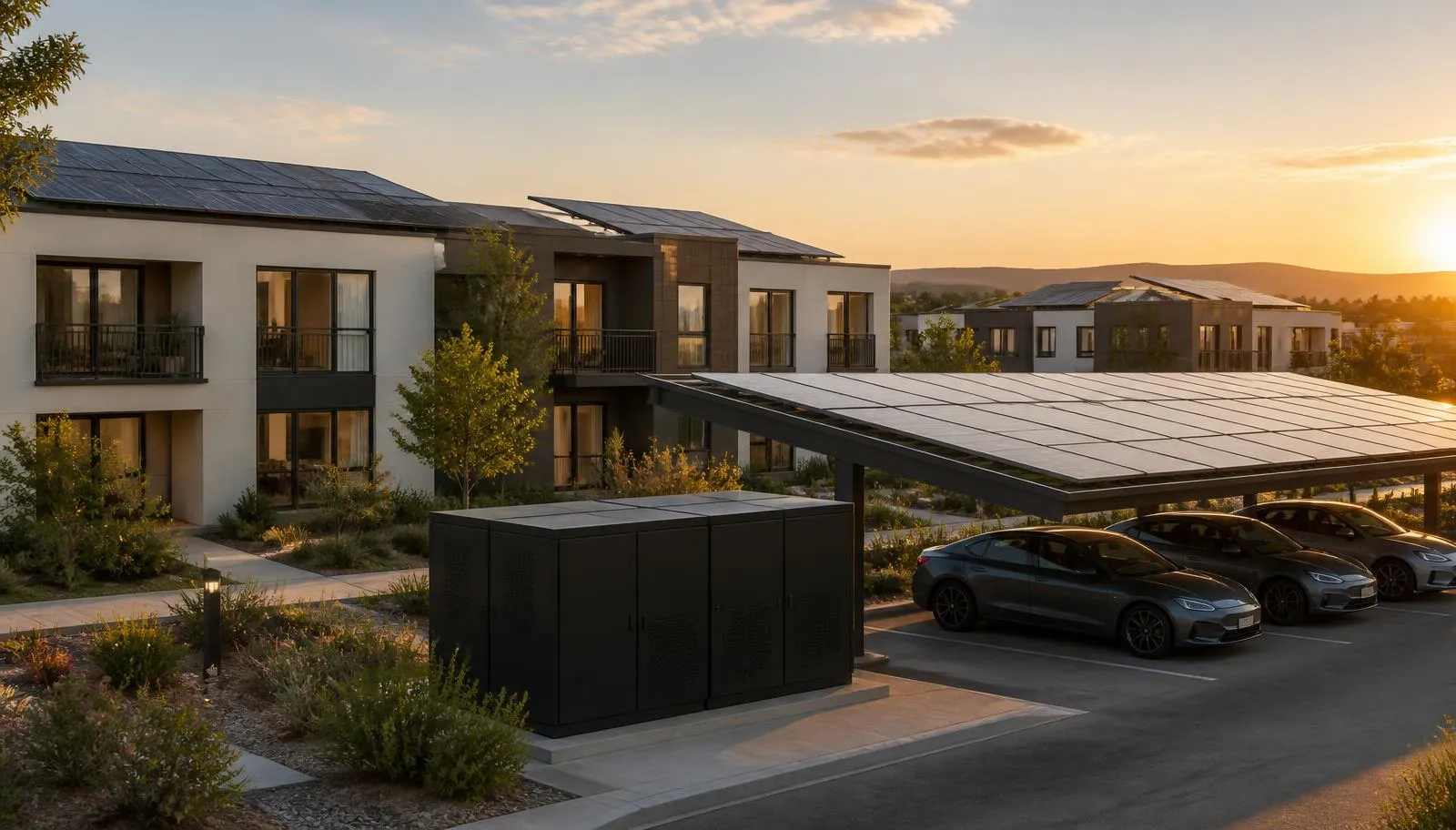
- Utility tariff
- Demand-charge structure, time-of-use rates, and any interconnection or standby requirements from your utility.
- Load profile
- How peaky and predictable your site's usage is, based on interval utility data.
- Site conditions
- Available space, electrical capacity, and any permitting or fire-code constraints for battery equipment.
- NOI
- Capital coordination, delivery-partner installation, interconnection, dispatch, monitoring, and maintenance coordination for the battery energy asset.
- Owner / operator
- Site access, accurate load and utility data, and continuity of the underlying utility service.
Solar & energy origination
Onsite generation originated, engineered and operated against the property's own consumption and export rules.
- Utility-cost reduction
- Resident-served generation (BTR, HOA & community)
Utility-cost reduction
The problem
Rooftop, canopy, or ground-mount space on a commercial property is often unused, while the same property carries a recurring utility expense that erodes operating margin. Deploying solar independently requires capital, engineering, and utility coordination that most portfolios aren't set up to manage in-house.
How NOI addresses it
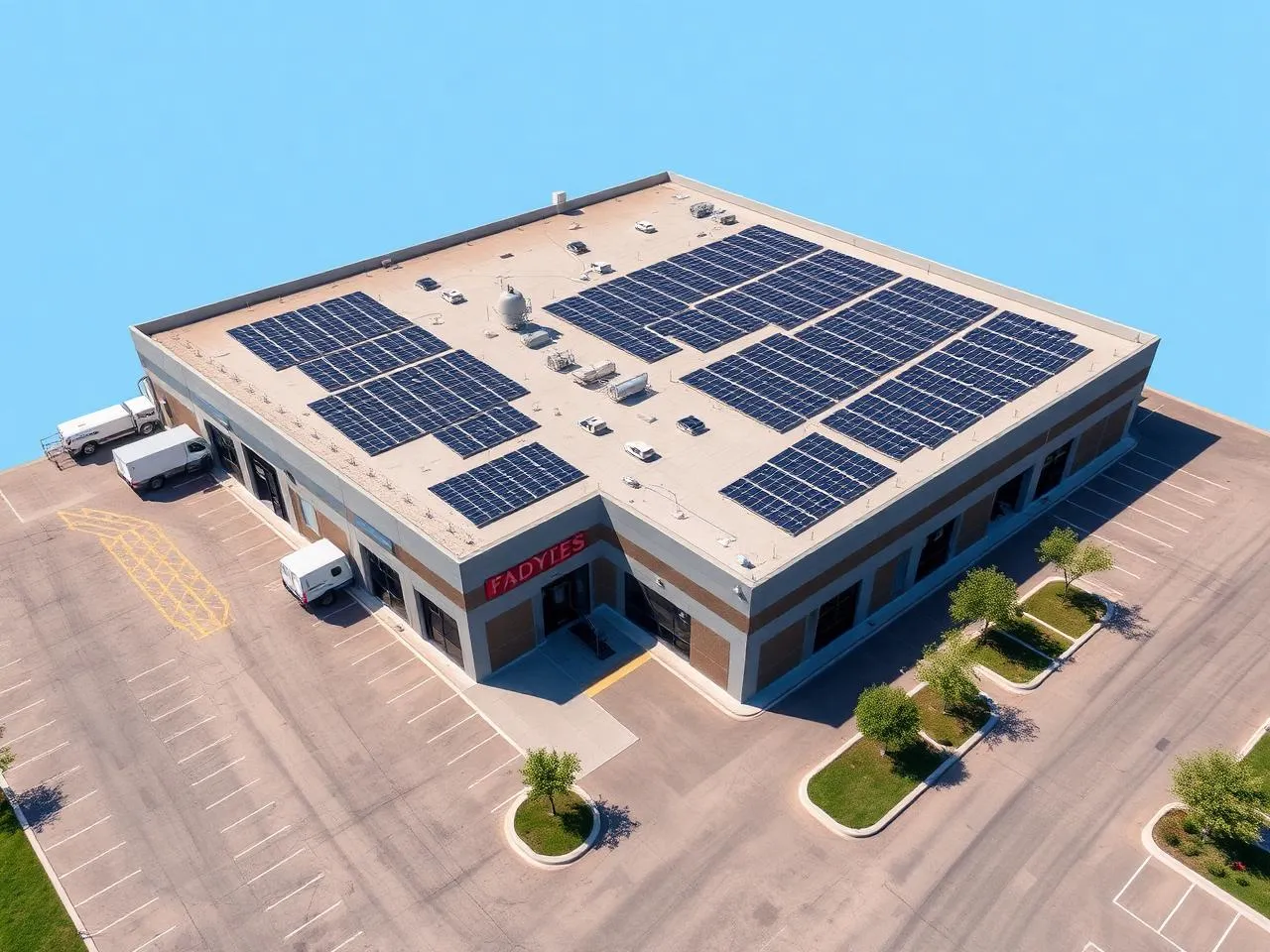
For qualifying sites, NOI arranges capital and coordinates a licensed delivery partner to design and install an onsite solar energy asset sized to your site and tariff, and manages engineering, permitting, and utility interconnection. Energy produced offsets consumption at the site as avoided utility expense; any exported energy is compensated separately according to your utility's specific tariff. NOI operates and maintains the asset under the service agreement.
- Site suitability
- Roof, canopy, or land area, orientation, shading, and structural or electrical capacity to host a system.
- Utility interconnection
- Your utility's interconnection process, net-metering or export-compensation tariff, and any capacity limits.
- Load match
- How well your consumption pattern lines up with solar production for the site.
- NOI
- Capital coordination, engineering, permitting, interconnection, delivery-partner installation, and ongoing operation and maintenance coordination.
- Owner / operator
- Site access for installation and service, and cooperation with utility interconnection requirements.
For BTR, HOA & community properties
Where the owner holds the meters, generation can serve a third destination: sold on to residents as a property revenue line, alongside on-site use and grid export. This is a per-property design decision — leases, metering and state rules decide — and we model it inside the same operating case.
Program & revenue operations
Enrollment, dispatch compliance and reporting for the eligible program and load-side value a site can carry.
- Grid-program participation
- EV charging & electrification readiness
Grid-program participation
The problem
Outages and grid stress events carry real operating and financial risk for commercial and industrial sites, and many utilities and grid operators run programs that pay participants for demand response or reliability services — but enrollment, dispatch compliance, and reporting are specialized work most portfolios don't have staff for.
How NOI addresses it
Where a site has battery storage, onsite generation, or controllable load, NOI evaluates eligibility for relevant grid or utility programs — such as demand response — and manages enrollment, dispatch compliance, and reporting on the owner's behalf. Program availability, compensation, and terms are set by the utility or grid operator and vary by market.
See where NOI operates →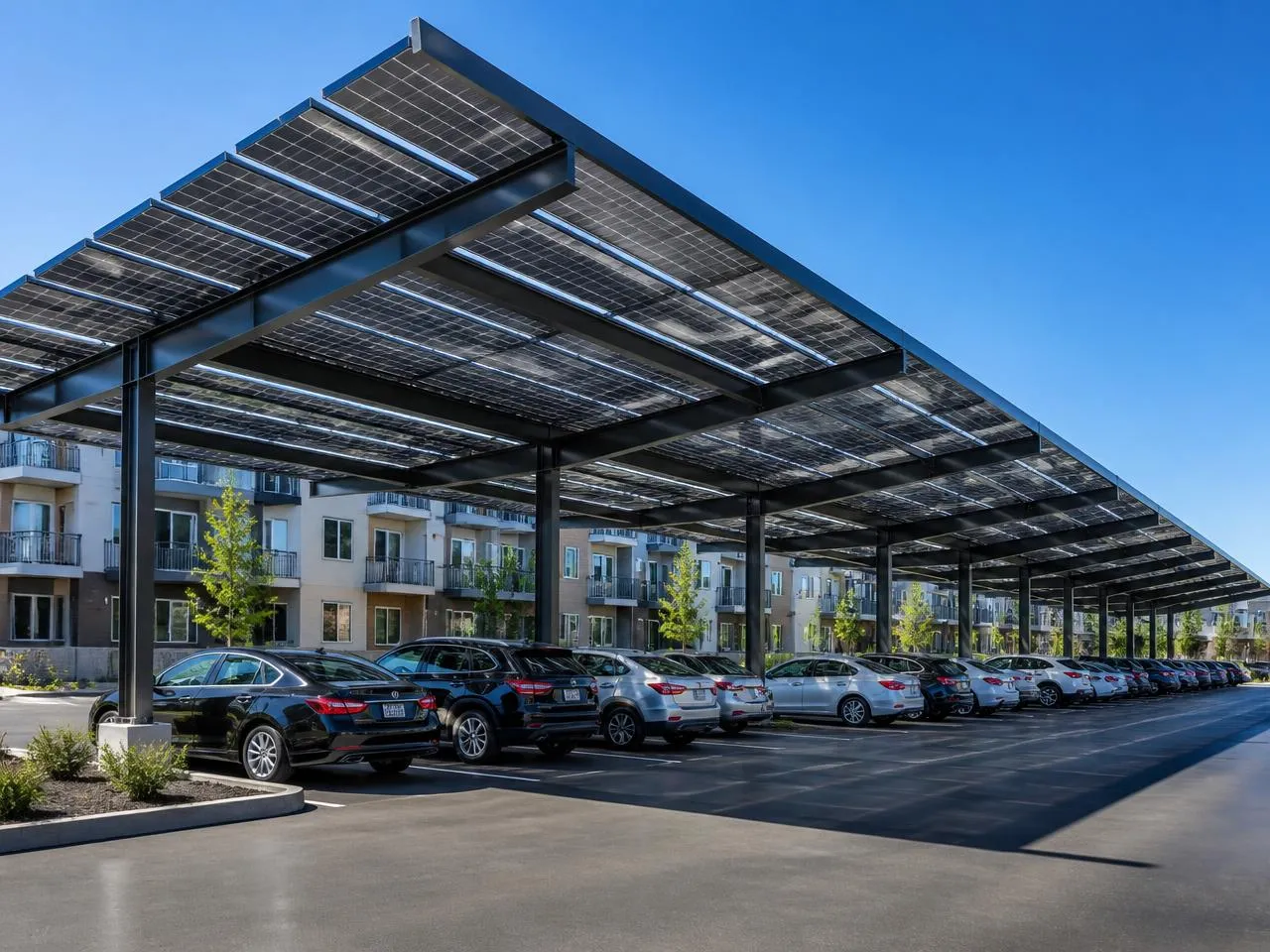
- Program availability
- Which demand-response or reliability programs your utility or grid operator (ISO/RTO) offers in your market.
- Site capability
- Whether the site has dispatchable storage, generation, or curtailable load that can meet program requirements.
- Enrollment terms
- Program-specific performance obligations, measurement rules, and compensation set by the administering utility or grid operator.
- NOI
- Program evaluation, enrollment, dispatch execution, and compliance reporting for programs the site participates in.
- Owner / operator
- Maintaining site conditions needed for program eligibility and approving participation terms.
EV charging
Where the service capacity and operating plan support them, EV charging equipment can be added alongside a battery storage or solar energy asset as a supplemental capability. It is evaluated on a site-by-site basis as part of the broader asset design — not offered as a standalone or guaranteed-income product.
Commercial solar and storage questions
Who pays for the energy asset?
For qualifying sites, NOI arranges capital, coordinates licensed delivery partners for installation and metering, and operates the asset under a services agreement. Structure and responsibilities are set out in the contract for each site.
What determines whether a site qualifies?
Eligibility depends on your utility tariff, interconnection rules, load profile, and site conditions (roof, land, or parking area, and electrical capacity). We confirm this from your utility bills and site data before proposing a system.
Does a battery or solar asset guarantee savings?
No. Modeled addressable operating-expense reduction depends on your utility's rate structure, demand charges, tariff, and how the asset is sized and dispatched. We model the specific economics for your property rather than quoting a universal number.
How does net metering or export compensation work?
Compensation for exported or offset energy varies by utility and tariff — some are one-for-one credits, others are avoided-cost or time-of-use based. We confirm the applicable rules for your utility before modeling any economics.
Can EV charging be added to a site?
It can be evaluated as an additional capability alongside storage or solar where electrical capacity and the operating plan allow. It is not offered as a standalone guaranteed-income product.
Who is responsible for operations and maintenance?
NOI is responsible for monitoring, maintenance coordination, and performance of the energy asset for the term of the agreement, working through licensed delivery and service partners. The owner is responsible for site access, underlying utility service, and any host obligations defined in the agreement.
Share a recent utility bill and site details and we'll assess which solution — if any — fits, based on your tariff and load.