
Unused Roof Space Is an Asset: How a Commercial Roof Becomes a Revenue Line
A flat roof is usually the largest unused surface a property owns. The question is not whether it can hold solar, but who owns the system and who buys the power.
The roof is already paid for
On most commercial and multifamily properties the roof is a cost line: maintenance, insurance and eventually replacement. It earns nothing. Yet it is often the largest open surface on the parcel, it faces the sun, and it sits directly above the meters that buy electricity every month.
Turning that surface into a revenue line is a structuring question more than an engineering one.
Three ways a roof can earn
1. Lease the roof. A third party installs and owns the system and pays the owner for the use of the roof. Income is simple and predictable, but the owner gives up most of the energy value.
2. Buy the power. A third party owns the system and sells the power to the property under a power purchase agreement. The owner earns through a lower energy cost rather than a rent cheque. See commercial solar PPAs, explained.
3. Own it and sell the energy on site. The property (or a structure it controls) owns the system and sells the energy to the loads in the building, including tenant meters where the tariff and local rules allow. This is the model NOI is built around: the energy sale becomes net operating income rather than a one-off saving.
Each structure moves cost, control and risk to a different party. None is right for every building.
What decides which structure fits
- Who pays the electric bills. Owner-paid common-area and house meters are the simplest buyers. Tenant-paid meters need a sale structure the utility and the lease both allow.
- The tariff. Net metering, buy-all or virtual net metering rules set what the exported and self-consumed energy is worth. See virtual net metering.
- The roof itself. Age, membrane, structure and remaining life decide whether to install now or re-roof first. See roof condition and solar.
- Tax appetite. Federal credits and depreciation are worth most to an owner who can use them, or who can transfer them. See elective pay and transferability.
- The hold period. A system outlives most business plans. The structure should survive a sale or refinance.
Batteries and chargers use the same footprint
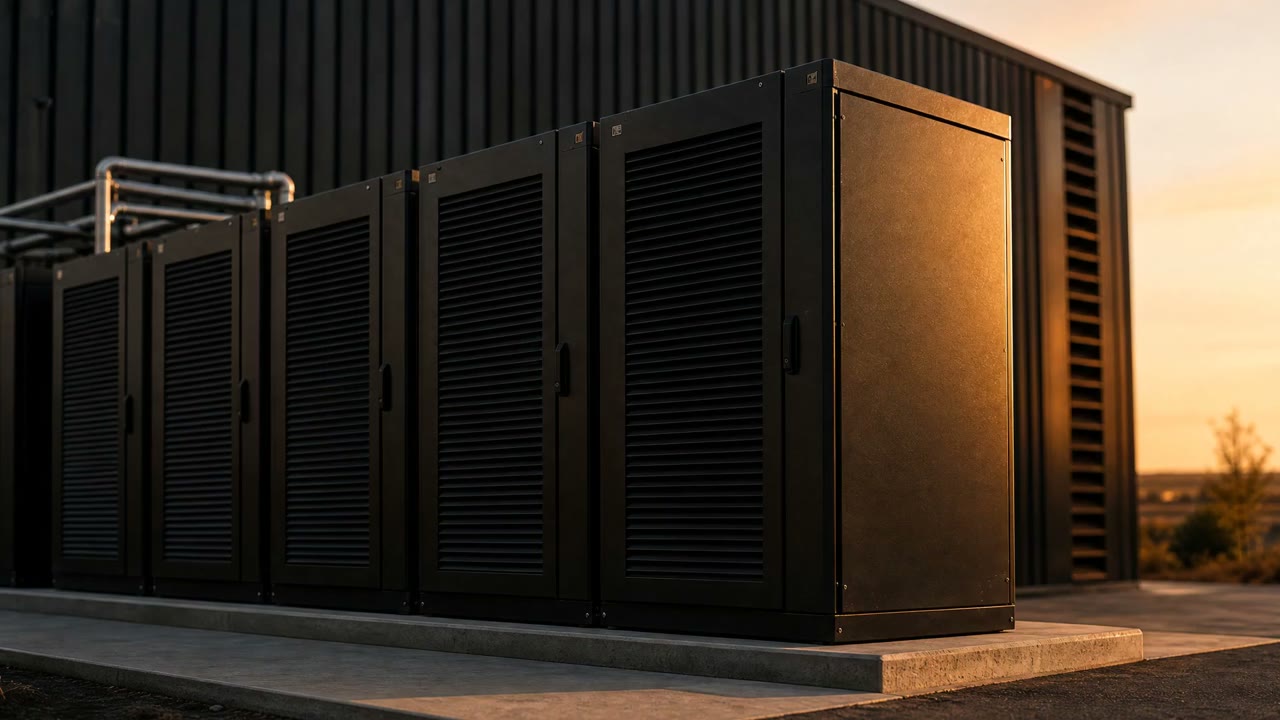
A roof array is often the first piece. Battery storage on a pad beside the building can cut demand charges and may earn program payments where a state pays for dispatch. EV chargers in the lot turn the parking area into a second point of sale. Pricing these together, against one tariff and one load profile, is what keeps the numbers honest.
The first step
Pull twelve months of bills for every meter on the parcel and a recent roof report. That is enough to tell which structure is worth modelling. Send them to us and we will read them back to you.
Want this checked on your own property? Get a free energy assessment or see how it works.
See how a project on your property would be paid for.
Owner-funded, financed or third-party funded — we walk through which structures fit your property and what each one means for you.
A written initial review within 2 business days.
We review energy costs on commercial properties, arrange capital for qualifying projects, and coordinate installation and ongoing operation.
Meet the teamThe tools behind every NOI project
How demand charges work, where battery economics come from, and what determines whether a commercial site qualifies.
Learn moreThe five delivery stages, what each one produces, and a plain-language table of who is responsible for what.
Learn more