
The Hidden Constraint: Electrical Service, Switchgear and Building Electrification
Most energy projects stall in the same room: the main switchgear. Checking it first saves a second upgrade, a second outage and a second utility application.
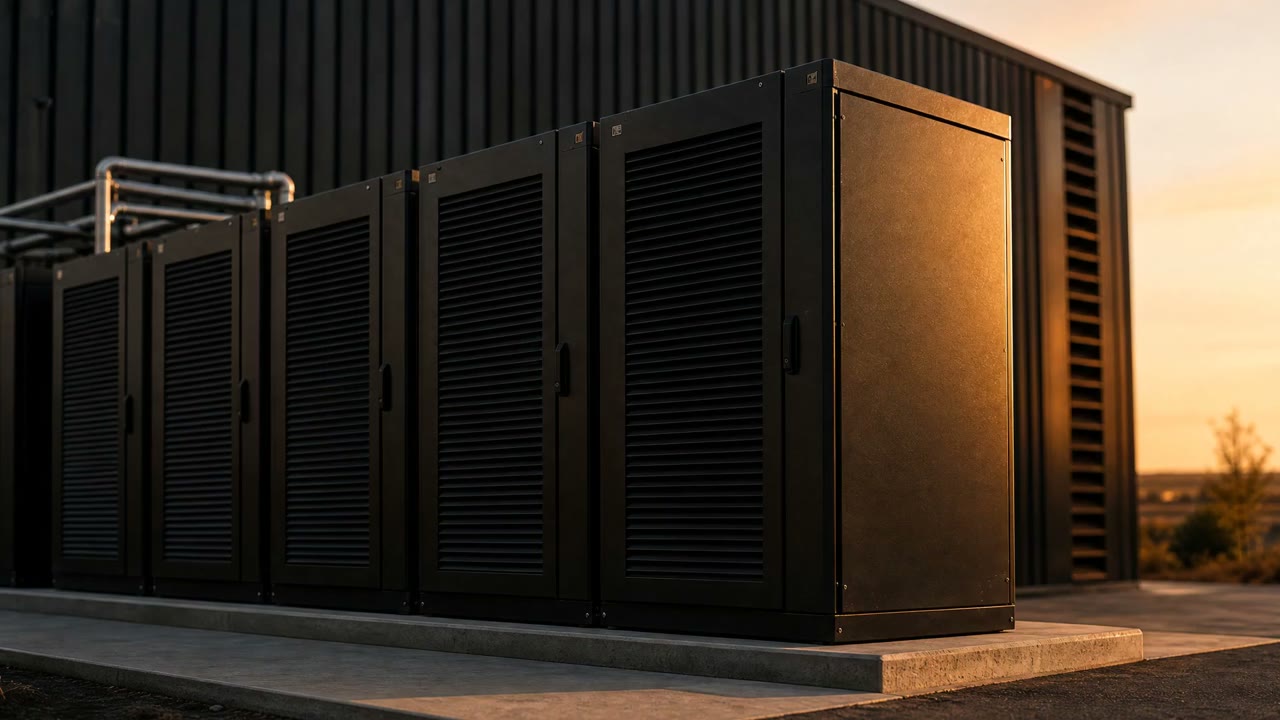
Everything meets in one room
Solar connects to the building's electrical system. So does a battery. So does every EV charger and every heat pump. Each one draws on, or feeds into, the same main service and switchgear. In older buildings that equipment was sized decades ago for a smaller load and no on-site generation.
What to check
- Service size and main breaker rating. How much power the utility connection can deliver.
- Measured peak load. From twelve months of interval data, not the nameplate. The gap between the two is the real headroom.
- Bus rating and available breaker spaces. Solar and storage often need a specific connection point, and the bus rating can limit how much can be added.
- Age and condition. Equipment near end of life, or with parts no longer made, may need replacing regardless.
- The utility side. A larger service can mean a new transformer, which is the utility's equipment, on the utility's timeline.
Upgrade once, sized for the plan
The expensive mistake is upgrading for today's project. A service sized only for EV chargers may have no room for the heat pumps planned two years later. Put every planned load and every planned source in one study, then size the upgrade for the five-year roadmap.
Storage can defer an upgrade
A battery can cover short peaks from new loads, keeping measured demand inside the existing service for longer. Load management on EV chargers does the same. Neither replaces an upgrade that is truly needed, but both can change its timing and size.
Plan the outage and the paperwork
Switchgear work usually needs a planned shutdown, utility coordination and permits. Combining the service upgrade with the solar or storage interconnection can mean one outage and one utility process instead of two.
The first step
A load study using interval data and a site walk of the main electrical room. It is part of every assessment we run. Start here.
Want this checked on your own property? Get a free energy assessment or see how it works.
See whether this applies to your property.
We read your rate and usage and send back a written view of what is actually addressable — and whether solar, storage or neither is worth pursuing.
A written initial review within 2 business days.
We review energy costs on commercial properties, arrange capital for qualifying projects, and coordinate installation and ongoing operation.
Meet the teamThe tools behind every NOI project
How demand charges work, where battery economics come from, and what determines whether a commercial site qualifies.
Learn moreThe five delivery stages, what each one produces, and a plain-language table of who is responsible for what.
Learn more