
Interconnection for Commercial Storage: What Actually Sets the Timeline
Installing a battery takes weeks. Getting permission to operate it is where commercial storage schedules are won or lost.

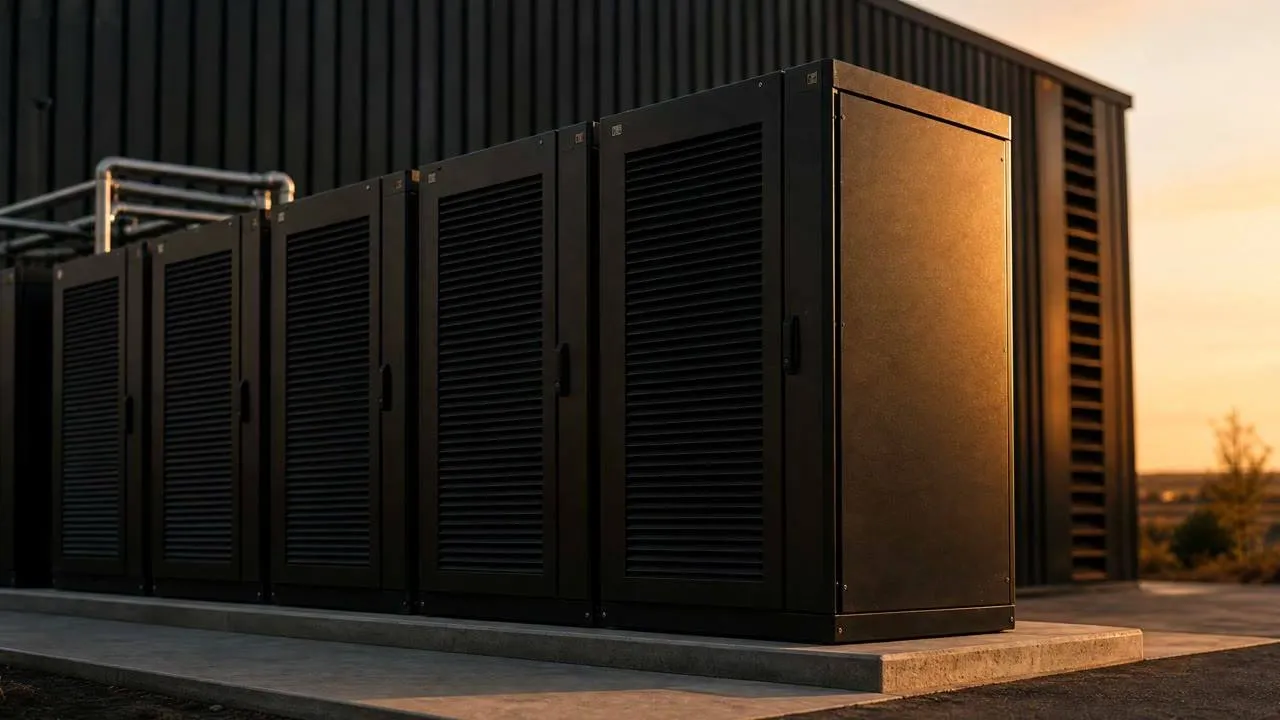
The schedule is mostly not construction
On a commercial or industrial storage project, physical installation is one of the shorter phases. The long poles sit with the utility and the authority having jurisdiction: application review, study, any required upgrades, inspection, and permission to operate.
Any owner planning around an in-service date needs the interconnection path mapped before equipment is ordered.
Variables that move the date
Utility and process tier. Different utilities run different review tracks, and which track a project lands in usually depends on system size and site characteristics rather than on how ready the owner is.
Whether the system exports. A non-exporting configuration, controlled so the battery never pushes power back to the grid, is typically a simpler review than one designed to export. That design decision is made early because it shapes both the application and the value case.
Existing service capacity. If the site's service and switchgear can accommodate the addition, the study is narrower. If it cannot, upgrades enter both cost and schedule.
Study and upgrade outcomes. If a study identifies system upgrades, the timeline extends by however long that work takes — which is outside anyone's direct control.
Local permitting and inspection. Building and electrical permits, fire code review for battery systems, and final inspection each have their own queue.
How to protect the date
- Start the interconnection application as early as the design allows.
- Decide export versus non-export deliberately, and early.
- Confirm electrical room capacity during the site visit, not during construction.
- Keep the equipment order aligned to the realistic approval date rather than the optimistic one.
- Treat inspection and permission to operate as scheduled milestones with owners' names on them, not as paperwork that happens at the end.
What we take on
Application, study coordination, permitting, and the inspection path are on our side of the line, and the process runs the same way on every site — see the stage-by-stage breakdown, or bring us a site.
Get a commercial battery storage assessment
We size storage against your own billed peak and rate, and tell you in writing whether the case holds.
A written initial review within 2 business days.
We review energy costs on commercial properties, arrange capital for qualifying projects, and coordinate installation and ongoing operation.
Meet the teamThe tools behind every NOI project
How demand charges work, where battery economics come from, and what determines whether a commercial site qualifies.
Learn moreThe five delivery stages, what each one produces, and a plain-language table of who is responsible for what.
Learn more