
Commercial Solar PPAs, Explained for Real Estate Owners
A PPA is a 20-year contract. Sign the wrong one and you're locked into below-inflation revenue for two decades. Here's the checklist.
Part of our guide to power purchase agreements (ppa).

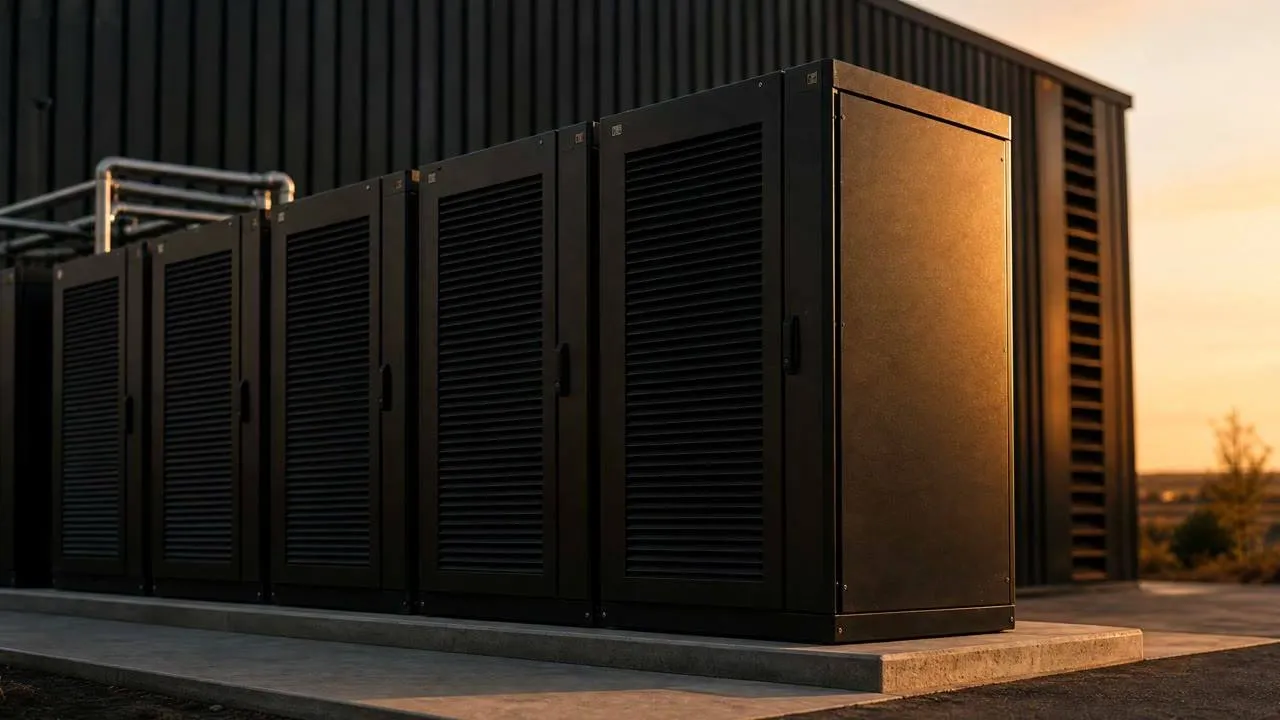
What a PPA is
A third party (the PPA provider) owns the solar system, installs it on your roof, and sells the electricity to you or your tenants at a contracted rate. The owner does not buy the equipment, and the agreement runs for a long, fixed term set in the contract.
The four terms that matter
- $/kWh rate. Compare it with what the property pays the utility today, on the same tariff basis, including demand and fixed charges.
- Escalator. How the rate rises each year. The higher it is, the faster any discount against the utility rate erodes, so model it against realistic utility rate paths.
- Buyout options. Look for fair-market-value buyout points during the term. They are your optionality.
- Roof warranty coordination. The PPA provider must indemnify roof damage caused by their equipment and coordinate with any active roof warranty.
Red flags
- No production guarantee.
- Escalators tied to CPI without a cap.
- Assignment clauses that let the PPA provider sell your contract to any third party without your consent.
- No end-of-term removal obligation.
Alternatives
If your entity can actually use the federal credit the project qualifies for, owner-funded solar with a loan often produces better long-run economics than a third-party structure. Tax-exempt and public entities may use elective pay where they own the qualifying asset and meet the requirements; third-party ownership follows a different structure.
Want this checked on your own property? Get a free energy assessment or see how it works.
See how a project on your property would be paid for.
Owner-funded, financed or third-party funded — we walk through which structures fit your property and what each one means for you.
A written initial review within 2 business days.
We review energy costs on commercial properties, arrange capital for qualifying projects, and coordinate installation and ongoing operation.
Meet the teamThe tools behind every NOI project
How demand charges work, where battery economics come from, and what determines whether a commercial site qualifies.
Learn moreThe five delivery stages, what each one produces, and a plain-language table of who is responsible for what.
Learn more