
Zero-Down Solar Financing for Landlords: How It Actually Works
If a vendor is willing to install a six-figure system for free, you should understand exactly how they're going to get paid back. Let's open the hood.
Part of our guide to power purchase agreements (ppa).

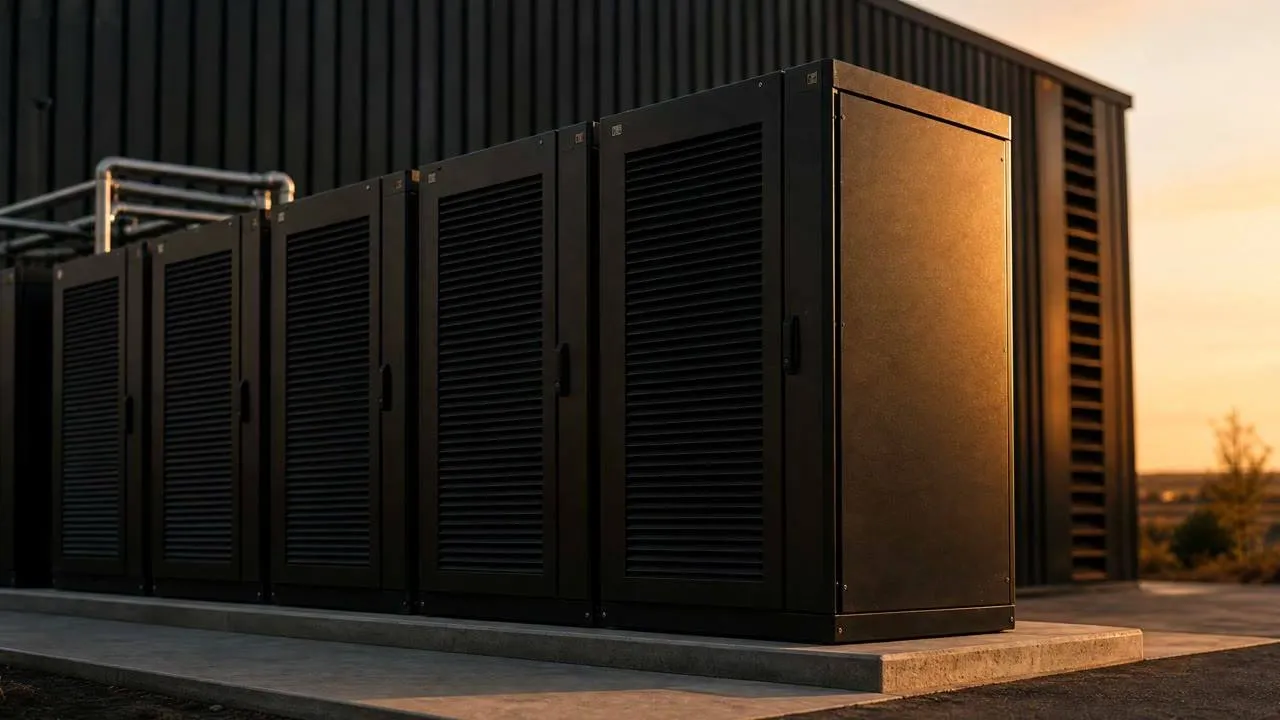
The three zero-down structures
- Power Purchase Agreement (PPA) — A third party owns the system. They sell the power to your tenants at a contracted rate. You take a margin between tenant rate and PPA rate. Most common for rental properties.
- Solar Lease — Similar to a PPA but you pay a fixed monthly lease for the equipment regardless of production. Less common for rentals.
- Operating Lease (commercial) — Equipment financing structured as a lease, with buyout options.
Where the money comes from
In a PPA, capital comes from a tax-equity investor or a project finance fund. They're earning a return through:
- Recovering the install cost over the PPA term through PPA payments
- Capturing the federal investment credit the project qualifies for (worth more to them than to a non-tax-appetite owner)
- Capturing MACRS depreciation on the equipment
- The terminal value of the system after PPA term
That's the model. Nothing magical — they have access to tax benefits you might not, and they get reimbursed for the install over time.
What you're trading
In exchange for not buying the equipment, you capture only the margin between the tenant rate and the PPA rate during the PPA period, rather than the full revenue you would keep if you owned the system. How large that margin is depends on the tariff, the PPA rate and its escalator.
After the PPA term, set in the contract, you either:
- Buy the system at fair market value
- Renew the PPA at a renegotiated rate
- Have the system removed
Most landlords with long hold horizons take the buyout. The post-PPA period is where the system becomes a fully-owned, revenue-printing asset.
When zero-down is wrong
- You have excess tax appetite and could use the ITC + depreciation yourself
- You have low-cost capital and could finance the install yourself
- You're planning a long hold and want maximum lifetime revenue
In those cases, owned solar (cash or financed) usually comes out ahead; we model both to check.
When zero-down is right
- You want speed-to-revenue without raising capital
- Your fund or LLC structure complicates direct tax credit use
- You're planning a shorter hold and want clean exit economics
The honest summary
Zero-down is a real, legitimate structure. It's not a gimmick. It's a financing trade: your future revenue share for someone else's capex. For landlords who cannot use the tax benefits themselves, it is often the better fit. NOI quotes both options at every assessment.
Want this checked on your own property? Get a free energy assessment or see how it works.
See how a project on your property would be paid for.
Owner-funded, financed or third-party funded — we walk through which structures fit your property and what each one means for you.
A written initial review within 2 business days.
We review energy costs on commercial properties, arrange capital for qualifying projects, and coordinate installation and ongoing operation.
Meet the teamThe tools behind every NOI project
How demand charges work, where battery economics come from, and what determines whether a commercial site qualifies.
Learn moreThe five delivery stages, what each one produces, and a plain-language table of who is responsible for what.
Learn more