
EV Charging + Solar: The Next Revenue Line for Multifamily Owners
Solar turns the roof into revenue. EV charging turns the parking lot into revenue. The two share infrastructure — and demand.
Part of our guide to solar carports.

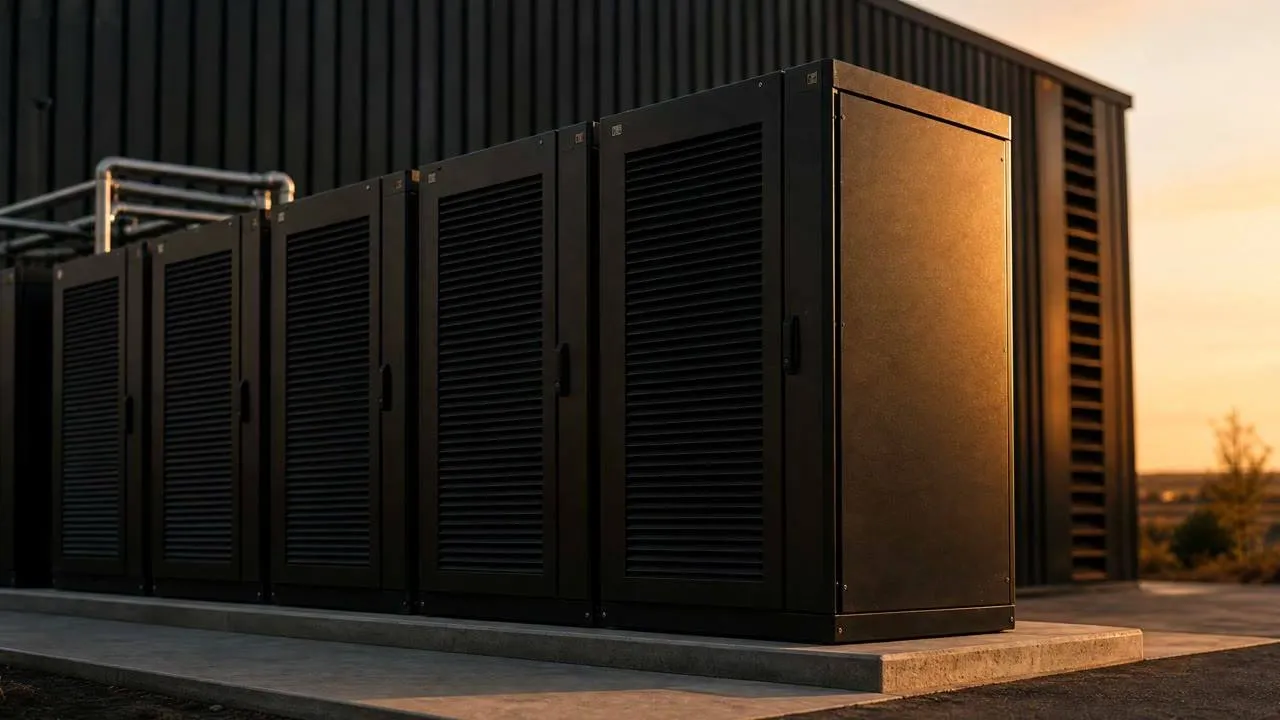
The revenue
Level 2 chargers in multifamily parking earn usage and reservation fees. What a port earns depends on how many residents drive EVs, the price set per session or kWh, and the electricity cost behind it, so model it from the property's own parking and tariff.
The solar tie-in
- Shared electrical infrastructure (transformer capacity, panel space).
- Solar-generated electrons cover most of the daytime charging load — improving margin per session.
- Installing both together avoids paying for two separate mobilizations and two rounds of trenching.
The tenant angle
An EV-charging amenity can support leasing and retention among EV-owning tenants, a growing group in many metros. Whether it supports a rent premium depends on the local market.
Financing
The federal credit for qualifying EV charging infrastructure (section 30C) has an end date: property placed in service after June 30, 2026 is no longer eligible, per IRS Publication 5884. Solar follows separate rules and separate dates. Eligibility, the census-tract location test and credit value all depend on the project, so confirm your own position with your tax adviser before you count on either credit.
Want this checked on your own property? Get a free energy assessment or see how it works.
See whether this applies to your property.
We read your rate and usage and send back a written view of what is actually addressable — and whether solar, storage or neither is worth pursuing.
A written initial review within 2 business days.
We review energy costs on commercial properties, arrange capital for qualifying projects, and coordinate installation and ongoing operation.
Meet the teamThe tools behind every NOI project
How demand charges work, where battery economics come from, and what determines whether a commercial site qualifies.
Learn moreThe five delivery stages, what each one produces, and a plain-language table of who is responsible for what.
Learn more