
Demand Charges Explained: The C&I Bill Line Storage Actually Attacks
Most commercial energy budgets are managed on cents per kilowatt-hour. The line that moves NOI is usually the one priced per kilowatt of peak demand.
Part of our guide to free building energy assessment.

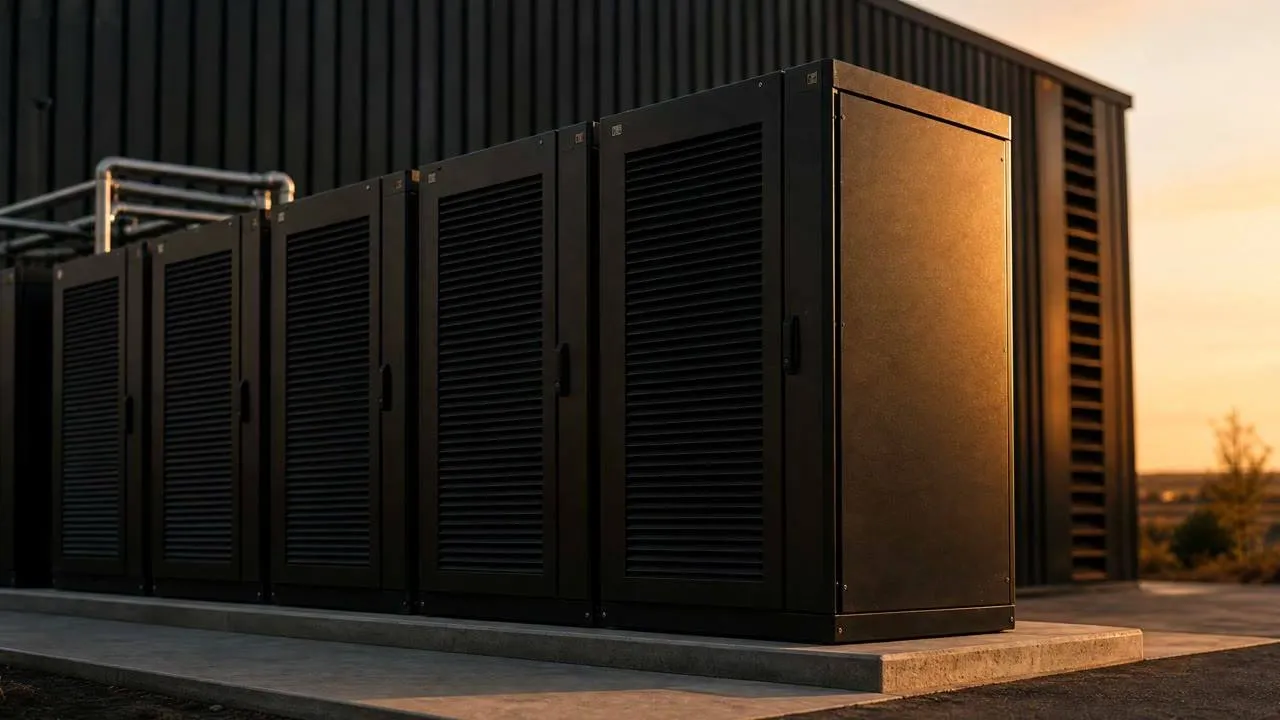
Two very different lines on the same bill
A commercial or industrial account is billed on at least two mechanisms:
- Energy — total kilowatt-hours consumed over the billing period, priced per kWh.
- Demand — the highest measured demand interval in the period, priced per kW.
Energy rewards using less. Demand rewards using less at once. A site can cut consumption meaningfully and still see the demand line unchanged, because one short simultaneous draw set the number.
Why one interval can set a whole month
Utility meters on C&I tariffs record demand in intervals — commonly 15 minutes. The billed demand is derived from the highest of those intervals. A compressor, chiller, pump bank, or fleet charging event that coincides with an already-busy period can define the charge for the entire month.
Some tariffs go further and apply a ratchet, where a peak set in one month influences billing in later months. Whether that applies to a given account is a tariff question, not a general rule — it has to be read off the specific rate schedule.
Where onsite storage fits
Storage does not reduce how much energy a building uses. It changes when the grid sees that energy being drawn. A battery charges during lower-demand periods and discharges across the site's peak intervals, so the meter records a flatter profile.
That is the whole mechanism. It is why storage economics on a C&I site depend far more on the shape of the load than on the total annual consumption.
What determines whether it works on your site
- Peak shape. Short, sharp, predictable peaks are the best candidates. Flat, around-the-clock load offers less to shave.
- Tariff structure. The demand rate, the interval definition, and any time-of-use or ratchet provisions set the value of each avoided kilowatt.
- Interval data availability. Without interval data, peak behaviour is a guess.
- Electrical room and site constraints. Available switchgear capacity and physical space determine what can actually be installed.
The practical first step
Pull twelve months of bills and, where the utility provides it, interval data. Separate the energy line from the demand line and look at what share of spend each represents. If demand is a material share, the site is worth modelling. If it is not, storage is not the right instrument for that asset.
That diagnostic is what we run before proposing anything — see how it works, or send us a bill and we will read it back to you.
Get your demand charges reviewed.
Send us one recent bill and we show how much of it is demand charges, and whether storage could reduce the peak the utility records.
A written initial review within 2 business days.
We review energy costs on commercial properties, arrange capital for qualifying projects, and coordinate installation and ongoing operation.
Meet the teamThe tools behind every NOI project
How demand charges work, where battery economics come from, and what determines whether a commercial site qualifies.
Learn moreThe five delivery stages, what each one produces, and a plain-language table of who is responsible for what.
Learn more