
HVAC Upgrades and Heat Pumps: Planning the Replacement Cycle Before It Plans You
An HVAC failure in July forces a like-for-like replacement at emergency prices. A replacement planned two years earlier can change the technology, the size and the bill.

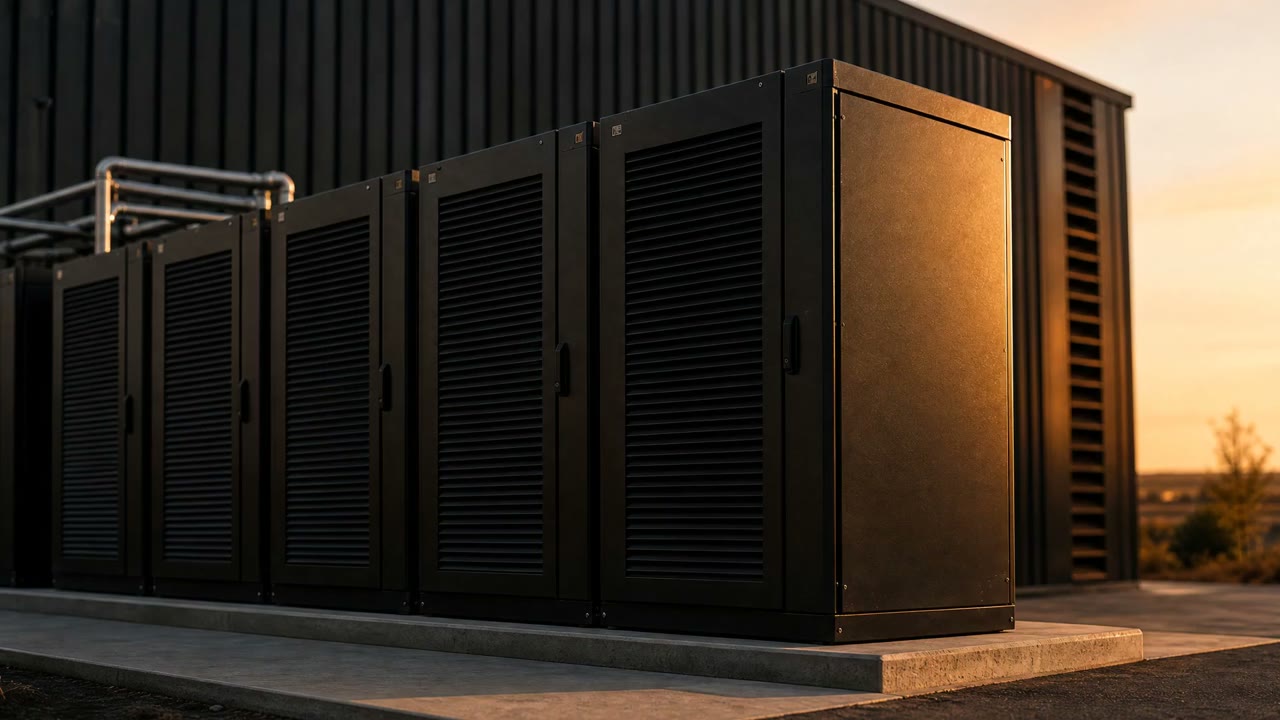
The cost of waiting for failure
When a rooftop unit or chiller fails in peak season, the decision is made for you: the fastest available unit, sized like the old one, at whatever the market charges that week. There is no time to look at a heat pump, a different size, controls or the electrical service.
A planned replacement removes that pressure.
Build an equipment register
List every major unit with its type, capacity, age, refrigerant, service history and the meter that feeds it. That register shows which units are nearing end of life, which are oversized, and which can be grouped into one project.
Heat pumps: what to check
Heat pumps move heat rather than burn fuel, and modern cold-climate units are designed for northern winters. Whether they fit a given building depends on:
- The heating load and the design temperature for the location.
- The electrical service. Converting gas heat to electric adds load. Check panel and service capacity first. See electrical service upgrades.
- The tariff. Higher winter electric use changes the bill shape. Model it on the actual rate, including demand.
- Local rules. Some cities set building performance standards that favour electrification. See our regulatory guides.
Pair HVAC with generation and storage
A heat pump conversion raises electric load, which changes the size of the solar system the building can use on site. A battery can hold back the new peak that electric heating or cooling creates. Planning them together avoids sizing the array for a building that is about to change. See solar and electrification.
Fund it like a capital project
HVAC is a capital item with a long life, so it belongs in the five-year energy plan alongside the roof and the electrical service. Utility incentives and, in some states, financing programs such as C-PACE may apply; confirm what is open in your territory before committing.
Talk to us about your equipment register.
Want this checked on your own property? Get a free energy assessment or see how it works.
See how a project on your property would be paid for.
Owner-funded, financed or third-party funded — we walk through which structures fit your property and what each one means for you.
A written initial review within 2 business days.
We review energy costs on commercial properties, arrange capital for qualifying projects, and coordinate installation and ongoing operation.
Meet the teamThe tools behind every NOI project
How demand charges work, where battery economics come from, and what determines whether a commercial site qualifies.
Learn moreThe five delivery stages, what each one produces, and a plain-language table of who is responsible for what.
Learn more